THE GUT
Where Many Chronic Diseases Begin
What if the root of many chronic diseases isn't in the organs they affect — but in the gut?
Over the past decade, scientists studying autoimmune disorders, metabolic disease, and even depression have repeatedly found one common thread: disruption of the gut microbiome.
The trillions of microbes living inside the digestive tract are now known to influence immunity, metabolism, and even brain chemistry. When this ecosystem becomes unbalanced, the consequences can extend far beyond digestion.
Your First Line of Defense
Nearly 70–80% of the body’s immune cells reside in the gut, within what researchers call the gut-associated lymphoid tissue (GALT). Here, beneficial microbes help train the immune system — teaching it to distinguish harmless substances from true threats. They also help prevent pathogens from gaining a foothold by competing for nutrients and producing antimicrobial compounds.
When this microbial ecosystem is balanced and diverse, it acts as one of the body’s most important defense systems. But when microbial diversity declines — a condition known as dysbiosis — immune signaling can become dysregulated.
Researchers have linked microbial imbalances with several autoimmune conditions, including:
rheumatoid arthritis
multiple sclerosis
inflammatory bowel disease
type 1 diabetes
autoimmune thyroid disorders
(Round & Mazmanian, Nature Reviews Immunology)
The Intestinal Barrier: A Critical Gatekeeper
The intestinal lining is one of the body’s most important protective barriers. Remarkably, this barrier is only one cell layer thick. Its job is simple but critical: allow nutrients to pass into the bloodstream while keeping toxins, microbes, and inflammatory compounds out.
Beneficial gut bacteria help maintain this barrier by producing short-chain fatty acids, particularly butyrate, which nourish intestinal cells and strengthen the tight junctions between them. But when dysbiosis develops, this barrier can weaken — allowing microbial fragments to enter circulation and activate the immune system.
A Key Discovery in Autoimmune Research
One of the most influential discoveries in autoimmune research comes from physician-scientist Dr. Alessio Fasano, a leading expert in intestinal permeability. His work suggests that three conditions must be present for autoimmune disease to develop:
genetic susceptibility
an environmental trigger
increased intestinal permeability
Without disruption of the intestinal barrier, the immune system is far less likely to encounter the microbial fragments and foreign proteins that can trigger autoimmune responses. This is why many researchers now investigate the gut as a central starting point in autoimmune disease. (Fasano, Physiological Reviews)
The Gut–Brain Connection
The gut and the brain communicate continuously through what scientists call the gut–brain axis. Certain gut microbes help regulate the production of important neurotransmitters including:
serotonin
GABA
dopamine precursors
In fact, approximately 90% of the body’s serotonin is produced in the gut. Disruptions in the microbiome have been associated with mood disorders, anxiety, and cognitive dysfunction. (Cryan & Dinan, Nature Reviews Neuroscience)
What Disrupts the Microbiome?
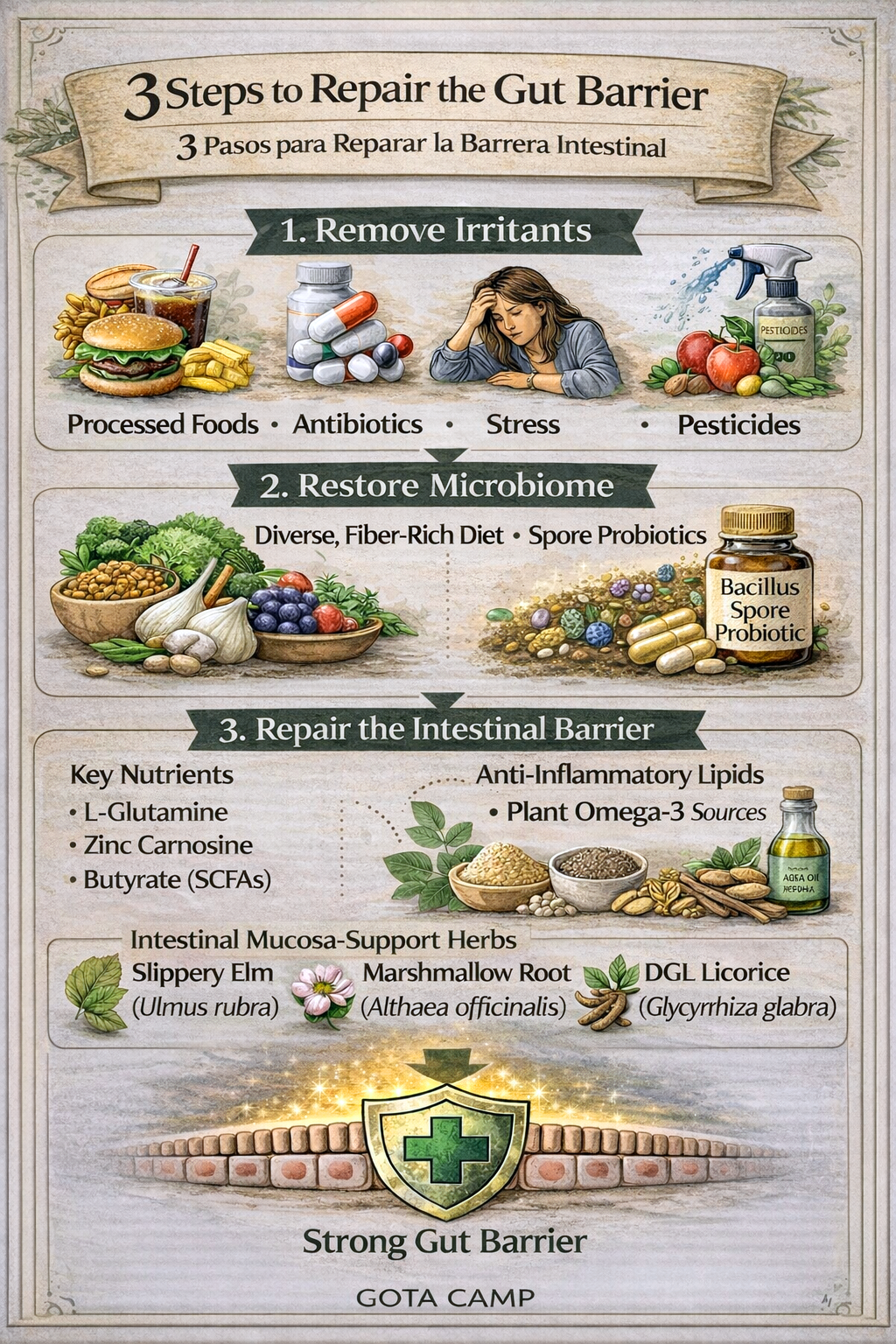
The gut ecosystem is remarkably dynamic but also highly sensitive to modern environmental pressures. Several factors common in modern lifestyles have been shown to reduce microbial diversity — a key marker of gut health.
These include:
repeated antibiotic exposure
ultra-processed foods rich in additives and emulsifiers
low fiber intake
chronic stress
sleep disruption and circadian imbalance
Over time, these influences can alter microbial composition and weaken the resilience of the gut ecosystem.
The Good News: The Microbiome Can Rebuild
One of the most encouraging discoveries in microbiome science is that the gut ecosystem can respond quickly to dietary and lifestyle changes. Plant fibers act as prebiotics, feeding beneficial microbes that produce protective compounds like short-chain fatty acids, especially butyrate.
Foods that nourish beneficial bacteria include:
legumes
leafy greens
berries
nuts and seeds
fermented vegetables
whole grains
herbs and spices
Research from the American Gut Project found that people who consume 30 or more different plant foods per week tend to have significantly greater microbial diversity. Greater microbial diversity is consistently associated with stronger immune and metabolic health. Even modest dietary changes can begin shifting the microbiome within days to weeks.
The Role of Spore-Based Probiotics
In addition to diet, emerging research highlights the role of spore-forming probiotics, particularly species within the Bacillus genus. Unlike many traditional probiotics, these microbes form protective spores that allow them to survive stomach acid and reach the intestine intact.
Studies suggest spore-based probiotics may help:
support microbial balance
compete with opportunistic pathogens
assist in restoring microbial diversity after disturbances
support intestinal barrier function
Rather than permanently colonizing the gut, these organisms appear to act as temporary ecological regulators, helping guide the microbiome back toward balance. When combined with a diverse, fiber-rich diet, they may support the gradual restoration of a resilient gut ecosystem.
5 Signs Your Microbiome May Be Out of Balance
Microbiome disruption does not always show up as obvious digestive disease.
Often the signs appear in seemingly unrelated systems of the body. Common patterns associated with dysbiosis include:
Persistent bloating or digestive discomfort — Frequent gas, bloating, or irregular bowel movements may reflect microbial imbalance.
Food sensitivities developing over time — A weakened intestinal barrier may allow food proteins to interact more easily with the immune system.
Brain fog or difficulty concentrating — The gut–brain axis connects microbial balance with inflammation and cognitive function.
Skin conditions— Dysbiosis has been studied in relation to eczema, acne, and other inflammatory skin disorders.
Frequent infections or chronic inflammation — Because much of the immune system resides in the gut, microbial imbalance may influence immune resilience.
While these patterns are not diagnostic on their own, they may indicate that the gut ecosystem needs support.
Key Takeaways
The gut microbiome plays a central role in immune regulation.
Many autoimmune and inflammatory diseases have been linked to dysbiosis.
Gut bacteria help maintain the intestinal barrier and prevent immune activation.
The microbiome influences neurotransmitter signaling and mental health.
Diet, lifestyle, and targeted microbial support can help restore balance.
Protecting the health of the gut may be one of the most powerful strategies for supporting long-term wellness.