

Health Resources
On this page you will find a wealth of health topics and other resources to help guide you on your journey to optimal health, well-being, and vibrant living.
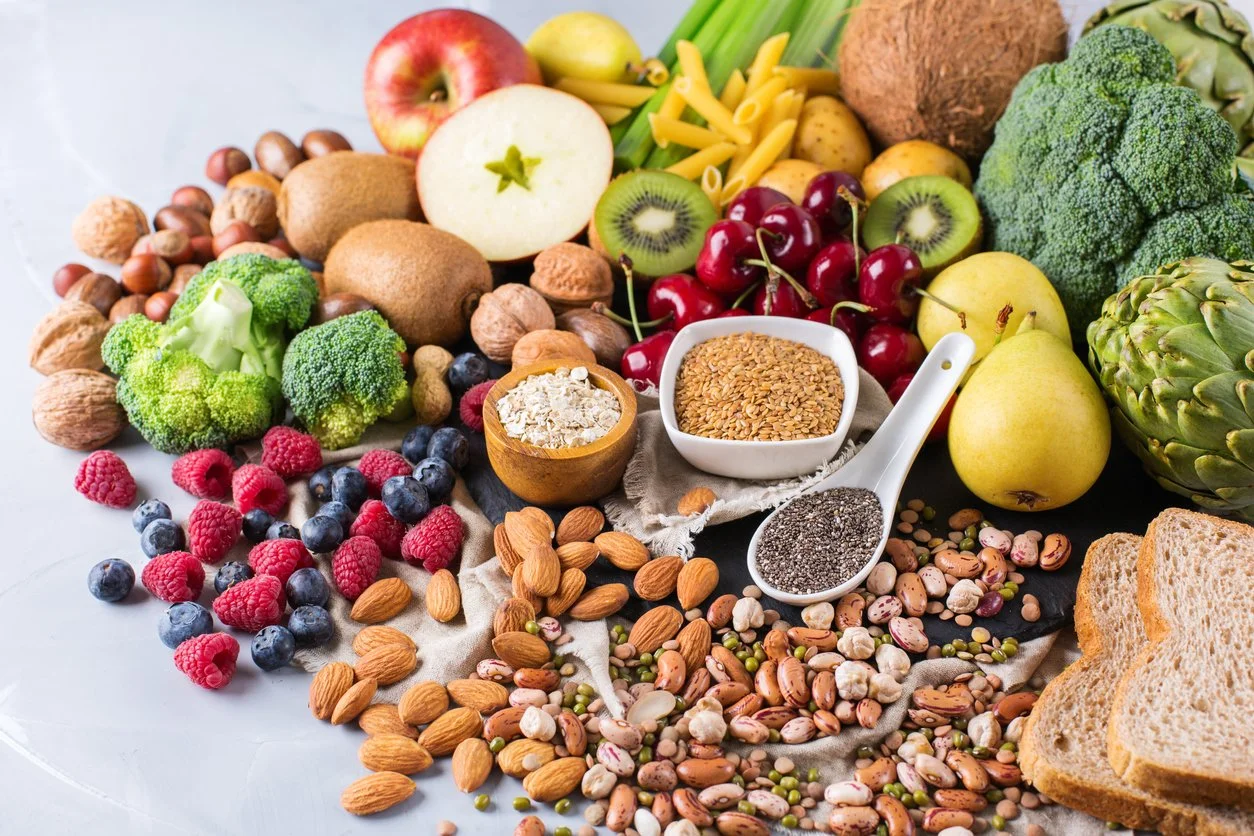
Which Foods Provide Omega-3s
And why do they matter so much?
Omega-3 fatty acids are among the most studied nutrients in nutrition science, yet they remain one of the most commonly under-consumed in modern diets.
Omega-3s are not just “healthy fats.” They are structural components of cell membranes—helping cells stay flexible, communicate properly, and regulate inflammatory signaling.

The Gut
Where Many Chronic Diseases Begin
What if the root of many chronic diseases isn't in the organs they affect — but in the gut?
Over the past decade, scientists studying autoimmune disorders, metabolic disease, and even depression have repeatedly found one common thread: disruption of the gut microbiome.
The trillions of microbes living inside the digestive tract are now known to influence immunity, metabolism, and even brain chemistry. When this ecosystem becomes unbalanced, the consequences can extend far beyond digestion.
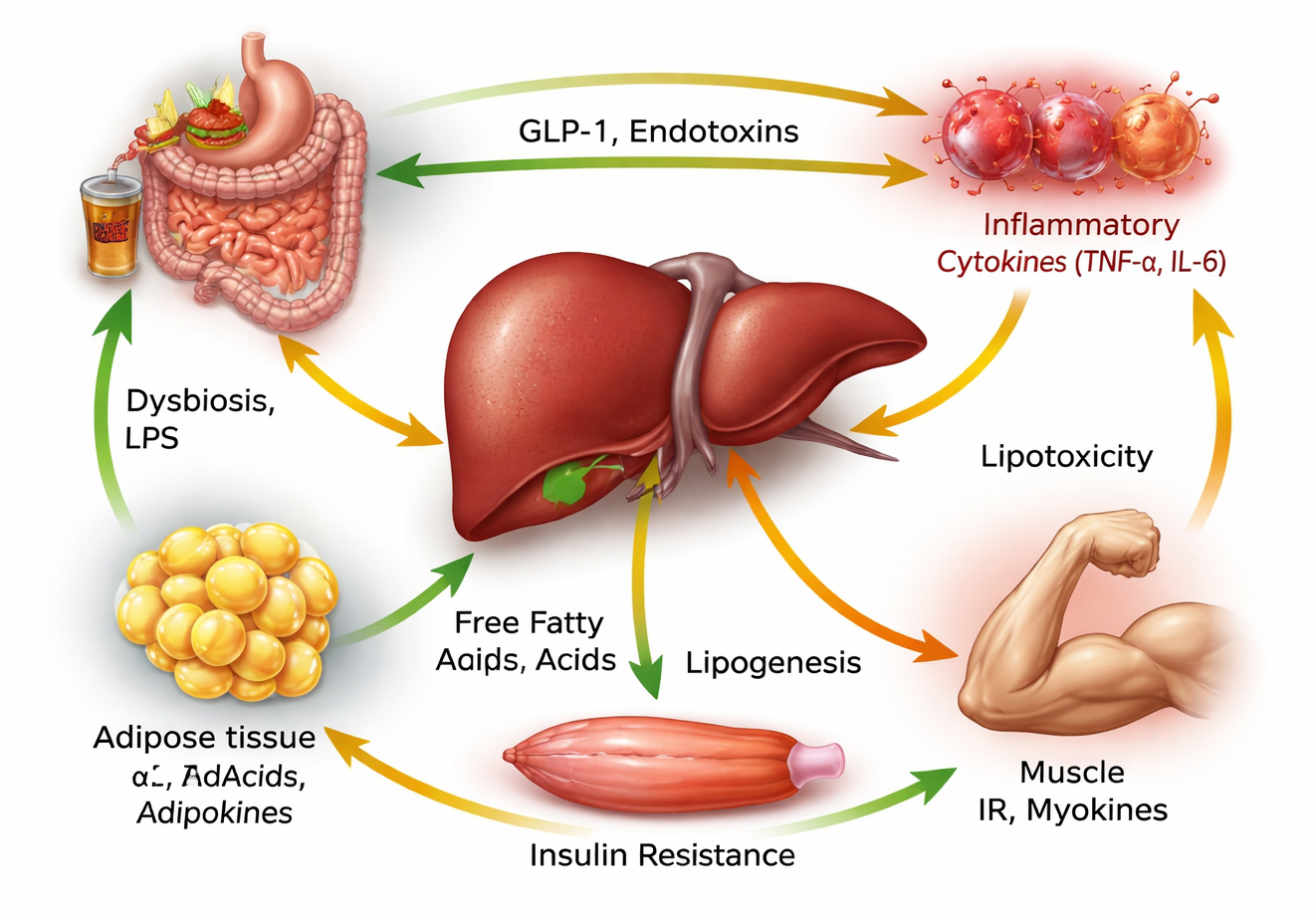
Liver Axis
Why Liver Disease May Begin in the Gut
What if one of the most common liver conditions today isn't just about fat — but about signals coming from the gut?
Over the past decade, liver disease has quietly become one of the most common metabolic conditions worldwide. But recent research is shifting the conversation in a profound way:
👉 The liver may not be the true starting point.
Instead, scientists are now focusing on what is called the gut–liver axis — a direct biological connection between the digestive system and the liver that is now considered central to how liver dysfunction develops.
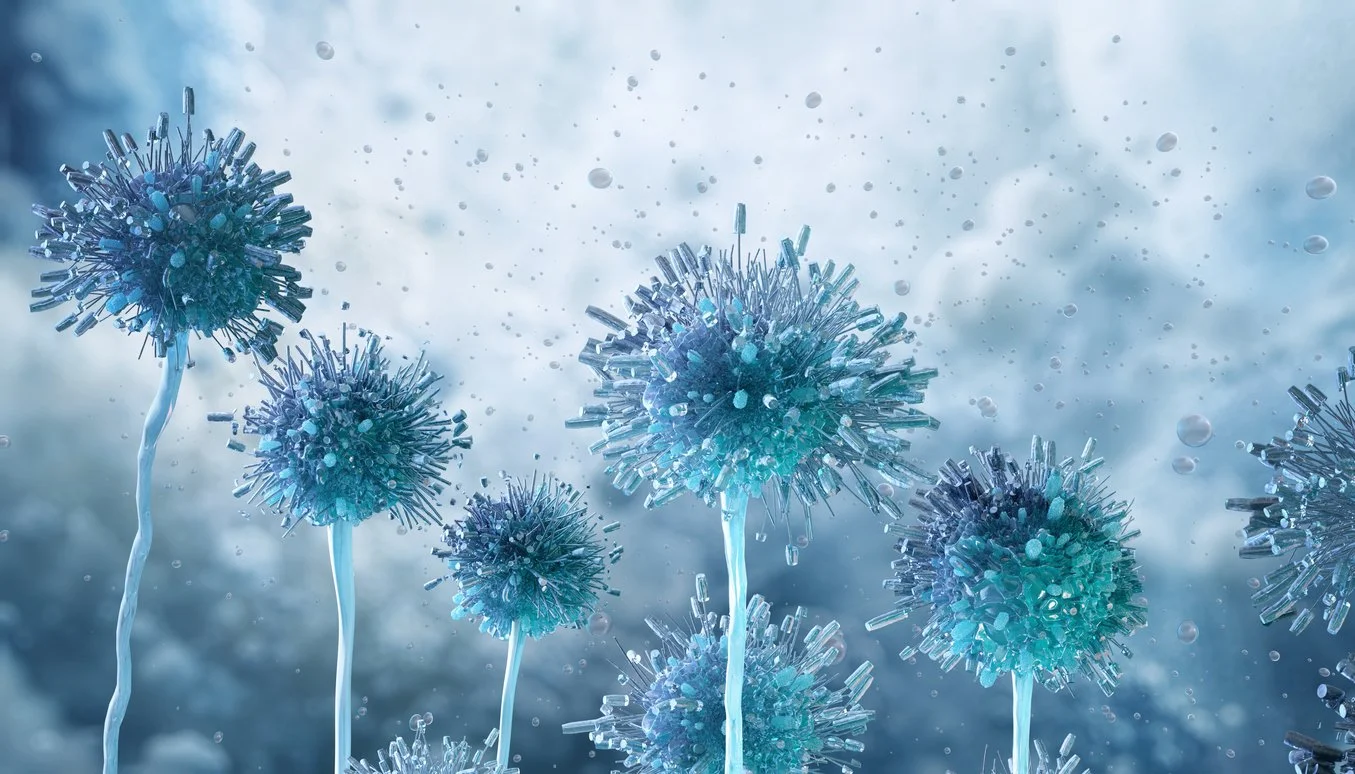
Mycotoxins
The Invisible Burden on Human Health
How mold-derived toxins enter the body, disrupt key systems, and what you can do to reduce your daily exposure.
There are toxins we consciously try to avoid—pesticides, heavy metals, plastics. And then there are the ones we don’t even realize we’re exposed to… every single day.
They don’t have a smell. They don’t announce themselves. And yet, over time, they may quietly add to the body’s internal burden—affecting digestion, immunity, energy, and even how clearly we think.
These are mycotoxins.
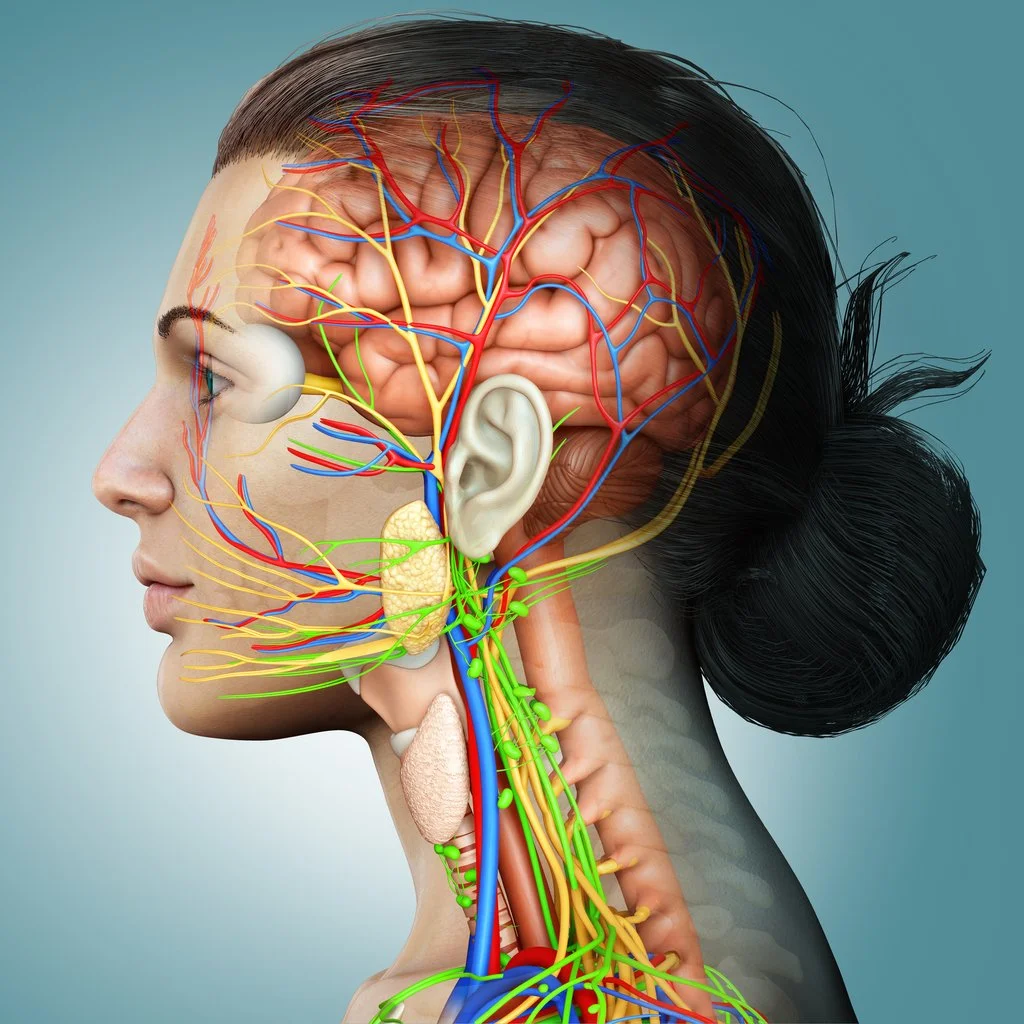
Vagus Nerve
When the body no longer feels safe
Stress is much more than an emotion. It is information. Every stressful experience sends a signal to the nervous system, influencing how the body allocates its energy and resources. In the short term, this response is protective.
The problem arises when the body receives those signals day after day, week after week, without a clear opportunity to return to a state of safety.
Over time, the nervous system begins to change its priorities. Functions that support long-term healing may receive less attention, while systems involved in immediate survival remain on high alert.
This is where the story of the vagus nerve begins.

The Fire Within
The Connection Between Inflammation and Cancer
Imagine that a small part of your body becomes injured. Within minutes, the immune system receives an alarm signal. Blood vessels change, blood flow increases to the affected area, and different immune cells arrive to defend, clean up, and begin the repair process.
That is inflammation, and we need it.
Inflammation is not a disease. It is one of the body’s most important defense mechanisms. Without it, our bodies would have great difficulty fighting infections, removing damaged cells, and repairing wounds.
But there is an important difference between inflammation that does its job and then turns off, and inflammation that remains silently active for months or even years.

The After-Meal Crash
What Your Blood Sugar May Be Telling You
You finish a meal and, not long afterward, something familiar happens: your eyes begin to feel heavy, your mind loses clarity, concentration becomes harder, and suddenly you feel like lying down.
Many people simply say, “I got sleepy after eating.” But what is actually happening inside the body after a meal?
The answer matters because long before someone is diagnosed with diabetes, changes can begin in the way the body handles glucose and insulin. And some of those changes may become most noticeable after we eat.
Fasting glucose is a snapshot. The way your body responds after a meal is part of the full movie.